


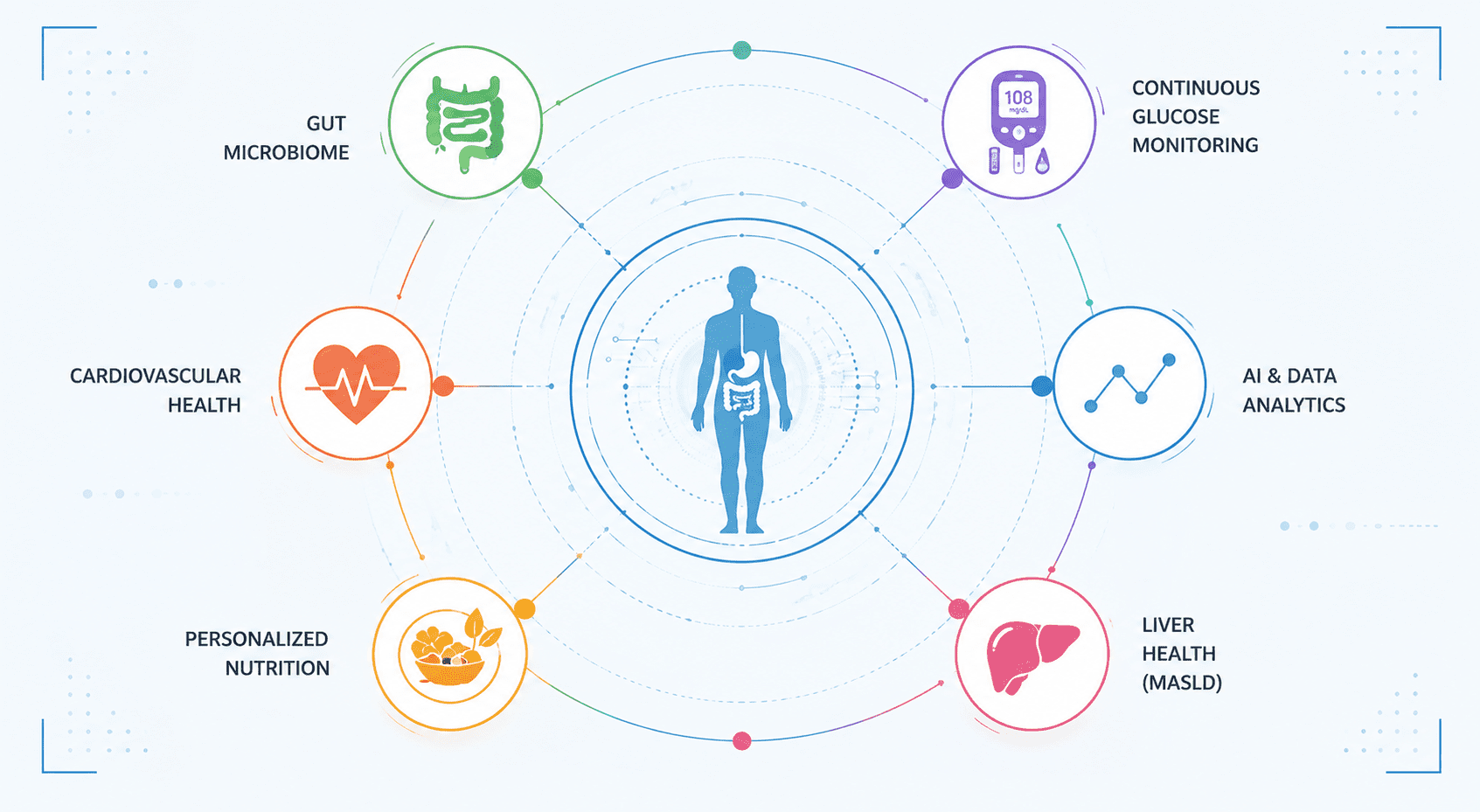

Metabolic health, once considered a niche domain primarily managed by endocrinologists, has now become a central focus in global healthcare. It refers to how efficiently the body converts food into energy and regulates critical systems such as blood sugar, lipid metabolism, blood pressure, and inflammation. These systems are highly interconnected, dysfunction in one can cascade into widespread health complications. Increasing scientific evidence now indicates that metabolic dysfunction is rising at a global scale, making it one of the defining health challenges of this decade.
A Growing Global Health Crisis: Metabolic syndrome is not a single disease but a cluster of interrelated conditions, including:
- Abdominal obesity
- Hypertension
- Elevated blood glucose
- Abnormal lipid levels
Together, these significantly increase the risk of cardiovascular disease, type 2 diabetes, and mortality. A 2025 global analysis published in Nature Communications shows that metabolic syndrome has doubled in prevalence since 2000, now affecting approximately 1.5 billion adults worldwide.
This rapid rise is largely driven by sedentary lifestyles, processed diets, and urbanization, positioning metabolic health as a major public health crisis.
Key Trends Reshaping Metabolic Health in 2026:
To overcome these conditions and limit the growing concern of metabolic syndrome, latest research had introduced certain studies as follows:
- GLP-1 Therapies Meet the Gut Microbiome: GLP-1 is a natural hormone released after eating that helps regulate blood sugar and appetite. In individuals with obesity or type 2 diabetes, this system becomes less effective. As a result, GLP-1 receptor agonists such as semaglutide and tirzepatide are used to mimic the hormone and improve metabolic control.
Recent research highlights a two-way relationship between GLP-1 therapies and the gut microbiome. Gut bacteria produce metabolites like short-chain fatty acids and bile acids that influence GLP-1 secretion. At the same time, GLP-1 drugs can alter the composition of gut microbes. This interaction may explain why individuals respond differently to these therapies. Beneficial bacteria such as Akkermansia muciniphila have been linked to improved insulin sensitivity and gut health. These findings are driving a shift toward microbiome-based personalization of metabolic treatments, marking a significant step in precision medicine.
- Continuous Glucose Monitoring (CGM) Expands Beyond Diabetes: Continuous glucose monitoring (CGM), traditionally used in diabetes care, is rapidly evolving into a mainstream metabolic health tool. Modern CGM devices track glucose levels in real time, helping individuals understand how food, stress, and activity impact their metabolism. Increasingly, these tools are being adopted by non-diabetic and pre-diabetic populations to gain deeper metabolic insights.
Emerging research shows that wearable data such as heart rate and skin temperature can complement CGM to estimate glucose variability. At the same time, large studies like the PREDICT REFINE trial are combining CGM with microbiome analysis to better understand individual metabolic responses to food. This shift means metabolic monitoring is no longer limited to people with diabetes, it is becoming accessible to anyone seeking personalized health insights.
- Artificial Intelligence Drives Precision Metabolic Care: Artificial Intelligence (AI) is rapidly becoming a core enabler in metabolic health research and care. Research output in AI-driven metabolic studies has increased by over 390% in the past five years. AI applications include, predicting glycemic responses, identifying metabolic biomarkers and personalizing treatment and dietary recommendations. AI’s ability to integrate multi-omics data (genomics, metabolomics, microbiome) is accelerating the transition toward precision medicine
- The Rise of Personalized Nutrition: Traditional dietary guidelines are giving way to precision nutrition, which tailors dietary advice based on individual biology. Rather than giving the same traditional dietary recommendations to everyone, precision nutritionists are aimed to tailor the recommendation based on individual’s genetic makeup, gut microbiome profile, and real-time metabolic markers. Studies show that individuals can have widely different glucose responses to identical meals, influenced by genetic variation, gut microbiome composition and lifestyle factors. This variability underscores the shift from generalized recommendations to data-driven, personalized dietary interventions.
- MASLD: The Liver at the Centre of Metabolic Health: Formerly Metabolic dysfunction-associated steatotic liver disease (MASLD) known as non-alcoholic fatty liver disease with an approximately 38% of global prevalence leading to the most common chronic liver disease in human history. Excessive fat accumulation in the liver cause severe liver inflammations leading to the higher risk of cirrhosis and liver cancer with an estimate of 20% cases. Any kind of alternation in gut microbiome affects gut permeability, bile acid metabolism, and fatty acid synthesis. To identify the individual risk and develop customized dietary treatments.
- The Metabolism–Mental Health Connection: Researchers are exploring on ketogenic and low-carbohydrate diets as potential additional therapies tailored for the conditions such as schizophrenia, bipolar disorder, depression, and Alzheimer’s disease. This approach is based on the idea that brain energy metabolism may be impaired due to issues like cerebral insulin resistance and mitochondrial dysfunction, and that’s where ketones work as an alternative fuel source to the brain cells. Combining nutritional psychiatry, neuroscience, and metabolic medicine is still in its early stages, but it has generated active and closely followed research programmes. This emerging field often termed nutritional psychiatry represents a promising intersection of neuroscience and metabolic medicine.
Conclusion: A Converging Revolution
A clear transformation is underway. Metabolic health is no longer confined to a single discipline, it now lies at the intersection of Biology (microbiome, genetics); Technology (AI, wearables); Clinical innovation (GLP-1 therapies); Lifestyle science (nutrition and behaviour)
As these trends converge, healthcare is shifting from reactive disease management to proactive, precision-driven prevention and treatment.
References
- Nature Communications (2025). Global trends in metabolic syndrome (2000–2023).
- Review on GLP-1 and gut microbiome interaction (2026).
- Continuous glucose monitoring in non-diabetic populations (2026).
- Frontiers in Medicine (2025). AI in metabolic disease research trends.
- JAMA Network (2025). Global prevalence of MASLD.
FAQ:
1. What are the key indicators of good metabolic health?
Key indicators include:
- Normal blood glucose levels
- Healthy cholesterol and triglyceride levels
- Normal blood pressure
- Balanced body weight and fat distribution
2. What causes poor metabolic health?
Poor metabolic health is primarily influenced by:
- Sedentary lifestyle
- Unhealthy diet (high in processed foods and sugar)
- Obesity
- Genetic factors
- Chronic stress and lack of sleep
3. What are GLP-1 receptor agonists and how do they support metabolic health?
GLP-1 receptor agonists are therapeutic agents that mimic the action of the natural GLP-1 hormone, which regulates blood glucose levels and appetite. These therapies, including semaglutide and tirzepatide, are widely used in the management of type 2 diabetes and obesity to improve glycaemic control and metabolic outcomes.
4. Why do patients respond differently to GLP-1-based treatments?
Variability in patient response is partly attributed to differences in gut microbiota composition, metabolic status, and genetic factors. Emerging research suggests that microbiome profiling could enable patient stratification and personalized treatment approaches in metabolic care.
5. Is CGM only intended for diabetes management?
While CGM was initially developed for individuals with diabetes, it is increasingly being explored for broader metabolic health applications, including pre-diabetes management, preventive healthcare, and personalized nutrition strategies.