

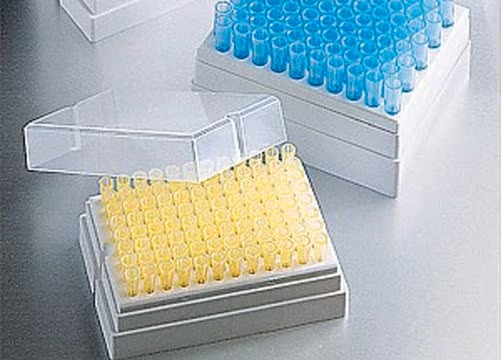

Pipetting is a general laboratory technique that is usually required to perform any experiment. The choice of pipette tip can directly influence the accuracy of the experiment by reducing the contamination risk with maximum sample recovery. Still, many researchers choose tips randomly rather than based on application needs. All Tips looks similar, but their performance varies considerably depending on the material, design and presence or absence of filters. Here we will understand the right choice of pipette tip between the filter tip and standard pipette which can help research labs to improve results while controlling cost.
Why Tip Selection Matters?
The selection of pipette tip is equally important as the accuracy of your experiment. With Abdos pipette tips, you get the right tip and the right result every time you perform an experiment. While performing experiments every pipette tip interacts directly with your sample, and a choice of poor tip can cause:
- Sample loss due to liquid sticking inside the tip
- Cross-contamination from aerosols or residual reagents
- Volume inaccuracies from improper fit or poor moulding
- Backflow contamination damaging the pipette
- Experimental variability and repeat work
The right selection depends on application type, sample sensitivity, cost considerations, and required accuracy. Choosing correctly improves data integrity, prevents repeat experiments, and extends pipette lifespan.
Abdos Pipette Tips: Precious Meets Purity
All Tips are manufactured from ultra-pure USP Class VI certified virgin polypropylene to ensure the highest quality & confirming to US FDA 21 CFR. They are DNase-free, RNase-free, endotoxin-free, ATP-free, pyrogen-free, and human DNA-free tested, making them ideal for sensitive molecular biology, PCR, cell culture, and diagnostic applications.
Choose the Right Tip Based on Your Application
Abdos offers a wide range of pipettes tips designed to fit every application need. Categorise into 4 major types including Standard Pipette Tips, Last Drop Low Retention Pipette Tips, Filter Tips and Last Drop Low Retention Filter Pipette Tips
For labs looking to standardize quality and reduce variability, solutions like Abdos Pipette Tips are designed to balance precision, purity, and performance without increasing operational cost.
1. General laboratory purpose: Choose Standard (Non-Filter) Pipette Tips are most commonly use in routine lab work. Majorly used for general applications where contamination risk is low such as preparation of buffers & media, transferring of chemicals & samples in small amounts, mixing of reagents. These tips are economical available but offers no protection against aerosol contamination
2. Handling Highly Viscous or expensive reagents: Choose Last Drop Low Retention Pipette Tips. These Tips comes with hydrophobic coating which prevent the sticking of liquid to the tip also ensure complete sample recovery with minimal sample loss. Abdos Tip offers 10 times lesser retention level with viscous samples than standard pipette tips.
3. PCR, qPCR, NGS & Diagnostic Applications: Choose Filter Pipette Tips, these Tips contain a hydrophobic Filter made from 100% pure porous polyethylene (PE) super filter that prevents aerosol and liquid bypass. These tips protect both the sample and the pipette from cross-contamination and vapors from entering the pipette shaft. It costs slighter higher than normal pipette tips. Mainly used for toxic and infectious samples used in diagnostics.
4. High Sensitivity & Maximum accuracy sampling: Choose Abdos Last Drop Low Retention Filter Pipette Tips when working with PCR master mixes, Sequencing reactions and with expensive or limited sample volumes. These tips combine low retention with an in-built hydrophobic filter at the upper end of the tip. While the low retention surface minimizes sample sticking and the filter acts as a barrier to prevent aerosols, droplets, or vapors from entering the pipette shaft, thus protecting the pipette from contamination.
| Application | Recommended Tip Type |
| Buffer preparation | Standard |
| ELISA setup | Low Retention |
| PCR & qPCR | Filter |
| Clinical diagnostics | Filter |
| NGS workflows | Low Retention Filter |
| Handling glycerol stocks | Low Retention |
While filter tips cost slightly more, they often reduce repeat experiments, saving more in the long term.
Cost vs. Performance: Are Filter Tips Worth It?
| Scenario | Recommendation |
| Routine daily transfers | Standard tips save cost |
| High-value reagents | Low retention reduces waste |
| PCR contamination issues | Filter tips prevent repeat runs |
| Diagnostic lab | Filter tips are essential |
Conclusion & Takeaway: Make the Right Choice Every Time
Pipette tips may seem like small consumable, but they directly impact sample integrity, reproducibility, contamination control, and equipment lifespan. The goal is not just to dispense liquid, it is to protect samples, equipment, and data. By selecting the right tip based on contamination risk, reagent value, and workflow sensitivity, laboratories can:
- Improve reproducibility
- Reduce repeat experiments
- Protect pipettes
- Optimize operational costs
When precision matters, the right tip makes all the difference.
Frequently Asked Questions (FAQs)
1.When should I use filter pipette tips instead of standard tips?
Use filter tips during PCR, qPCR, NGS, or when working with infectious or aerosol-generating samples.
2. Do filter tips affect pipetting accuracy?
No. High-quality filter tips are calibrated to maintain accuracy while preventing contamination.
3. Are low retention tips necessary for viscous liquids?
Yes. They significantly reduce liquid sticking and improve recovery of glycerol, enzymes, and master mixes.
4. Can standard tips damage pipettes?
They can allow aerosol backflow, which may contaminate and damage internal pipette components over time.
5. Are all pipette tips universal fit?
Not always. Ensure compatibility with your pipette brand for accurate sealing and volume consistency.
References: Liquid Handling – Abdos Lifescience